Empty-home risks
Common problems in empty homes
A house that stays shut for weeks, especially near the Atlantic, holds moisture and hides small leaks. This page says what that looks like and what a scheduled visit can actually see. It is not a survey, and it is not a promise that nothing will be missed.
Damp and mould
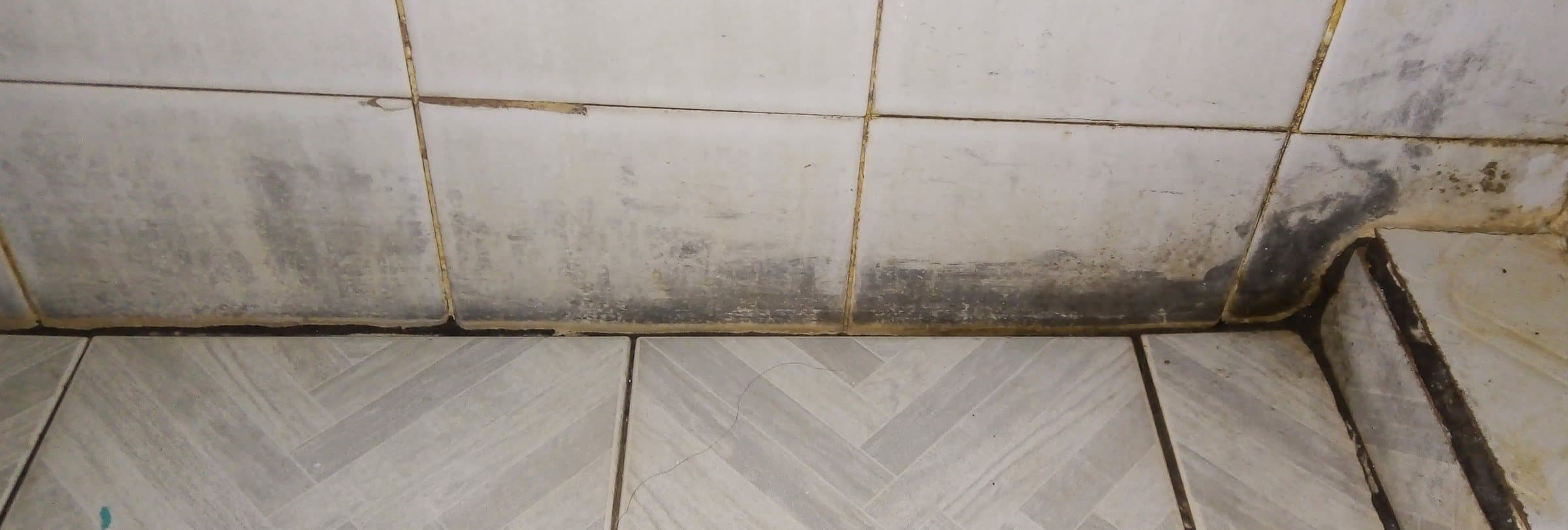
This is the problem we are asked about most. Sea air is humid. Shutters stay closed. Air does not move. A change in temperature can leave condensation on cold walls, glass and the back of a cupboard.

Why damp builds up
- Moisture sits on walls, ceilings, textiles and wood.
- Mould, when it shows, is often in a still corner, a bathroom, a wardrobe, or behind furniture pushed against an outside wall.
- A musty smell is sometimes the first sign, before a mark is obvious.
How a regular visit helps
Each visit airs the house, looks for new spots, smells or peeling, and sends dated photos so you can see a change. If something looks worse, you hear about it in the report. Cleaning mould off is not included in the plan.
Simple prevention
- Air the house on each visit, then close it properly.
- Leave a gap between furniture and a cold outside wall when you can.
- Look in the bathroom and under the sink.
- Passive moisture absorbers — calcium chloride tubs — replaced on each visit.
Water leaks and infiltrations
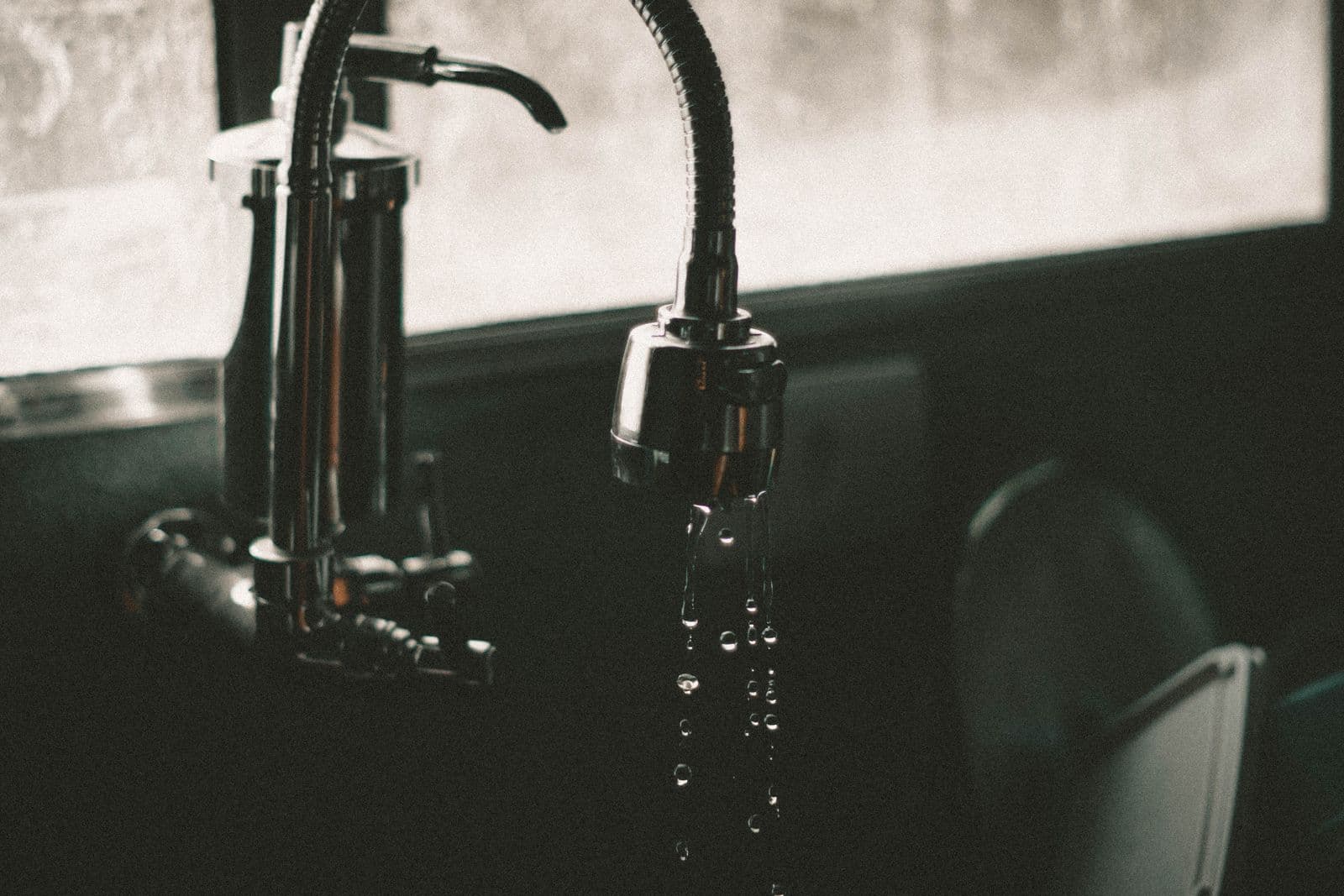
A drip is small until nobody is there to hear it. Over months, a tap, a cistern or a joint under the sink can send water into a ceiling, a wall or a floor.
When the house is empty for months
- A tap that does not shut off, or a cistern that keeps refilling, runs the whole time.
- Water can travel to the ceiling below or along a wall.
- A burst pipe can leave standing water until the supply is turned off.
Early signs
- A damp smell, a new stain, or moisture under a sink.
- A cistern that is refilling on its own.
- Soft or stained wood.
- A water meter that has moved when nobody used water.
How a regular visit helps
We look under sinks and at visible pipes, check taps and cisterns, and photograph anything wet. On Weekly and Premium we can read the meter when you ask. We do not open walls and we do not repair the leak. The repair is quoted separately by the tradesperson and only goes ahead with your written approval. Accompaniment of tradespeople and works is a separate add-on, by appointment, and is not included in the plans.
Roof and windows after a storm
Wind-driven rain on this coast finds a cracked tile, a blocked gutter or a window that no longer seals properly. The stain often shows inside, later.

What we look for
- A new ceiling stain after rain.
- Damp around a window frame, or water on a sill.
- Peeling paint near the top of a wall.
From the ground or a terrace we can see ceilings, windows, shutters and the edge of the roof. We do not walk on the roof, and this is not a roof survey. After a storm, Premium includes the check the next morning if the house is in Alcobaça; within 48 hours maximum elsewhere. On Weekly it is €30 and on Basic €55, on that same timing. It is not a 24-hour emergency service.
Dehumidifiers
An electric dehumidifier is one option. We do not recommend leaving one running all the time in an empty house.
- It needs the electricity left on. Many owners switch the power off at the mains when they leave.
- An appliance left running for months, with nobody in the house, carries some electrical and fire risk.
Other ways to deal with moisture
- Air the house on each visit.
- Passive absorbers (calcium chloride tubs), replaced on each visit.
- Run a dehumidifier only during the visit, then empty it and switch it off.
If you choose to leave a dehumidifier or another electrical appliance running while you are away, that is your decision and your responsibility. It is confirmed in writing in the service agreement. Patio Portugal only checks the unit during a visit — whether it is running and whether the tank needs emptying — and is not responsible for how it operates between visits.
If you keep one running
- 1.Plug it into a wall socket, either directly or through a single-socket surge protector (an adapter) pushed straight into the wall. That can protect against power spikes, for example after storms. It does not protect against a fault inside the appliance. Do not use an extension lead or a multi-socket strip.
- 2.Check that the consumer unit (fuse box) has a working RCD (diferencial) and that the installation is in good condition, checked by a certified electrician.
- 3.Choose an appliance that switches itself off when the tank is full, and keep it away from curtains and furniture.
These steps reduce some risks. They do not remove all risk. We do not install appliances and we do not guarantee them.
What a visit is not
A visual check. Not a structural survey, not a guarantee that hidden defects will be found, and not a 24/7 watch. If you want a booking or a look at a particular leak, write to us and we will say whether we can take it.